
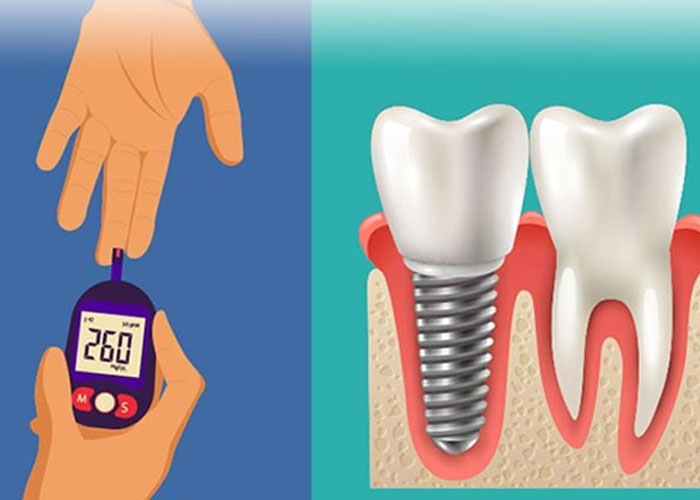
Understanding Diabetes Mellitus
Diabetes Mellitus is a group of metabolic diseases characterized by hyperglycemia (high blood glucose levels) caused by defective insulin secretion, action, or both.
- Type 1 Diabetes – usually develops early in life due to autoimmune destruction of insulin-producing cells.
- Type 2 Diabetes – the most common form, accounting for 90–95% of cases, often linked to insulin resistance and lifestyle factors.
Long-term hyperglycemia can lead to damage and failure of multiple tissues and organs, increasing overall morbidity.
How Diabetes Affects Oral Health
People with diabetes are generally more susceptible to oral diseases compared to non-diabetics. The key reasons include:
- Delayed wound healing – high glucose levels slow down tissue repair.
- Microvascular complications – reduced blood supply to tissues.
- Impaired bone metabolism – affecting the jawbone and supporting structures.
- Weakened immune response – higher susceptibility to infections.
As a result, diabetic patients are at greater risk for gum disease (periodontitis), dry mouth, oral infections, and complications after dental procedures.
Dental Implants in Diabetic Patients
Dental implants are an excellent solution for missing teeth, but diabetes can influence their success:
- Poorly controlled diabetes (consistently high blood sugar) is associated with a higher risk of implant failure due to poor bone healing and increased infection risk.
- Well-controlled diabetes (tight glycemic control) significantly improves implant survival rates, as it reduces complications and promotes better healing.
- Studies suggest that maintaining optimal blood glucose levels before and after implant surgery can delay the onset and progression of microvascular complications.
Key Takeaway
- Diabetic patients are more vulnerable to gum disease and oral infections.
- Poorly controlled diabetes increases the risk of implant failure.
- With proper glycemic control and good oral hygiene, implants can be a safe and successful treatment option for diabetic patients.
Regular dental checkups, close monitoring of blood sugar levels, and collaboration between dentist and physician are crucial for long-term oral health in diabetes.