
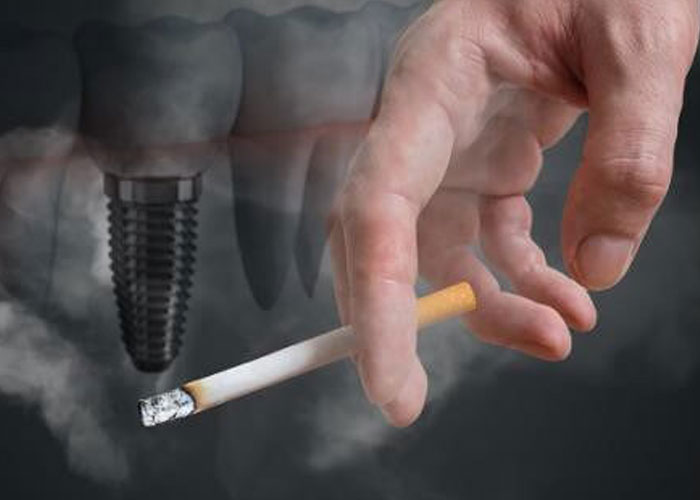
Smoking and Dental Implants
Smoking is a prevalent habit worldwide, but when it comes to oral health, its effects can be devastating. It increases the risk of periodontal disease, oral precancerous and cancerous lesions, root caries, peri-implantitis, and staining of teeth.
For dental implants, smoking poses unique challenges because successful implantation depends heavily on proper wound healing and healthy bone integration.
Wound Healing and Smoking
Dental implants require surgical placement of titanium posts into the jawbone, making wound healing a crucial step. Smoking interferes with this process in multiple ways:
- Nicotine toxicity: Nicotine impairs protein synthesis and reduces the ability of gingival fibroblasts to adhere, delaying healing.
- Carbon monoxide and hydrogen cyanide: These compounds reduce tissue oxygenation.
- Poor blood circulation: Smoking increases platelet adhesion, raises blood viscosity, and causes vasoconstriction, all of which reduce blood flow to healing tissues.
The result? A higher chance of implant failure due to compromised healing.
Smoking and Bone Loss Around Implants
Bone health is vital for implant success, but smoking disrupts the natural bone remodeling process:
- Hormonal changes: Smoking increases cortisol levels, disrupting osteoblast and osteoclast function.
- Oxidative stress: Smokers show higher levels of free radicals and oxidative stress biomarkers, which activate bone resorption pathways.
- RANKL–RANK–OPG pathway disruption: This biochemical pathway regulates osteoclast activity. Smoking disturbs it, leading to impaired bone healing.
Studies reveal that heavy smokers (more than 14 cigarettes per day) experience significantly greater bone loss than light smokers. Failure rates of implants in smokers range from 6.5% to 20%, with maxillary implants failing more often than mandibular ones.
Smoking and Oral Hygiene
When poor oral hygiene is combined with smoking, the risks multiply:
- After 10 years, smokers with poor oral hygiene show 8 times greater bone loss compared to non-smokers.
- Increased arginase activity in smokers reduces nitric oxide production, weakening immune defense and making implants more susceptible to bacterial infection.
Implant Survival in Smokers
To improve implant success rates in smokers, certain precautions are recommended:
- Quit smoking at least 1 week before surgery – this helps reverse short-term effects such as increased blood viscosity and platelet adhesion.
- Avoid smoking for at least 2 months after implant placement – by this time, the bone has entered the osteoblastic phase and early osseointegration has begun.
Final Thoughts
While dental implants are a highly successful treatment option for missing teeth, smoking remains one of the biggest risk factors for implant failure. Quitting smoking, even temporarily around the time of surgery, can greatly improve the chances of long-term implant survival.
Your oral health—and your implants—are worth it.